1. Culture is not a luxury add-on
It shapes how a city feels, how people gather, and how local identity survives.
We started Live4Fair with a simple belief: the systems around local culture should reflect the value culture creates for a city.
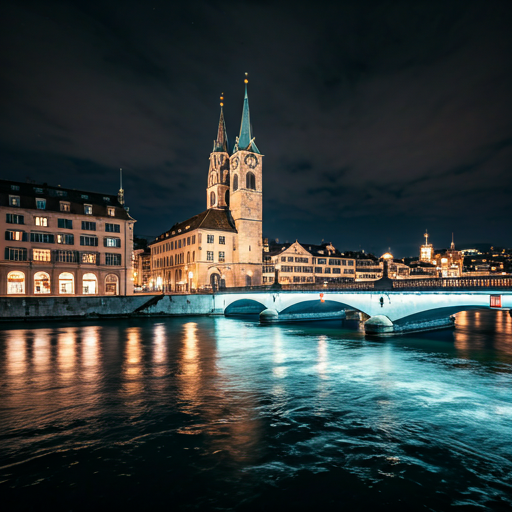
Too much local live culture still depends on fragmented effort. Artists do invisible labor just to be considered. Venues carry programming risk. Audiences care, but often have no simple, trustworthy way to turn that care into something tangible.
Live4Fair began as a response to that gap. The question was not how to build another cultural platform. It was how to build a transparent local mechanism people could actually trust.
Live4Fair is a community-supported local cultural infrastructure pilot for Zurich.
Live4Fair is built around four pillars: artists, venues, community, and cultural workers. Fair culture depends on all four.

The Zurich pilot starts with a CHF 29 membership and a 100-member unit. Every block is meant to unlock one monthly event, ten artists in the pool, one activated venue cycle, and a visible record of how value moved across the system.
That is the point of the pilot: build trust by showing the structure, not by pretending all the answers are already final.
It shapes how a city feels, how people gather, and how local identity survives.
If we want better outcomes for artists, venues, and cultural workers, goodwill alone is not enough.
People support what they can actually understand and see.
Not every meaningful cultural experience happens on a big stage.
A scene is built by artists, venues, cultural workers, and the people who keep showing up.